 EleuterusSaint · †189Eleuterus was a Greek-born bishop of Rome who led the church from approximately 174 until his death in 189. Born in Nicopolis, he previously served as a deacon under Pope Anicetus and Pope Soter before ascending to the papacy. His leadership is associated with various historical traditions, including a legend involving a letter from a British king named Lucius requesting Christian conversion. He is recognized as a saint in the Catholic tradition.
 Simon the ZealotSaint · 100–107Simon the Zealot was an apostle of Jesus, born in Cana. He is identified in the Gospels by different names, appearing as Zelotes in the writings of Luke and Acts, while Matthew and Mark refer to him as Kananites. Following his time with Jesus, he worked as a missionary, traveling through various regions including Egypt, Africa, Persia, and Armenia. His identity is often linked to the political Zealot group, though he is primarily remembered for his early Christian evangelism.
 Origen185–254Origen was a highly influential Christian theologian and ascetic who lived in Alexandria and Caesarea Maritima during the third century. Born around 185, he became a prolific writer, producing thousands of treatises covering biblical exegesis, textual criticism, and various theological disciplines. He established the Christian School of Caesarea and was recognized as a major authority in Palestine and Arabia. After enduring torture during the Decian persecution in 250, he died from his injuries a few years later. His extensive body of work shaped early Christian thought, though some of his specific ideas later faced condemnation.
 Sixtus IISaint · 215–258Sixtus II was a mid-third-century pope who led the Catholic Church from 257 until his death in 258. Born in Greece, he worked to mend fractured relationships between the Roman church and various Eastern and African communities. During the reign of Emperor Valerian, he became a target of intense religious persecution. He was ultimately executed in Rome by beheading, a death he shared with several of his deacons, including the well-known Lawrence of Rome.
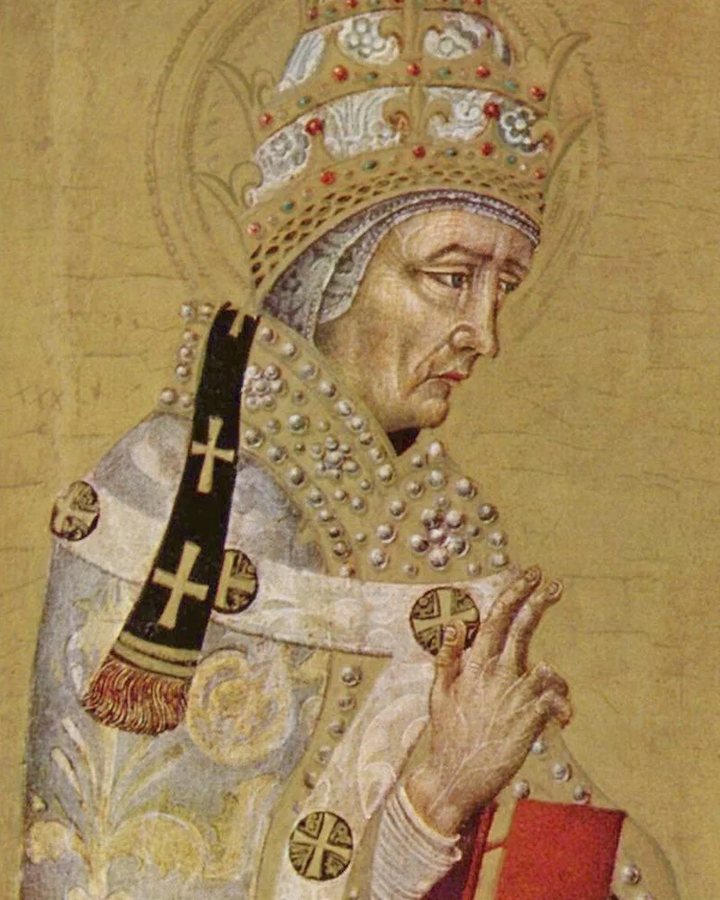 FabianHieromartyr · 200–250Fabian was a Roman bishop who served as the head of the Catholic Church from 236 until 250. According to historical accounts, his election was marked by a miraculous sign when a dove reportedly descended upon him during the selection process. During his fourteen-year papacy, he worked to resolve internal church schisms and organized the Christian community in Rome into distinct districts. He is remembered as a hieromartyr, having died during the persecutions initiated by Emperor Decius.
 DionysiusSaint · 200–268Dionysius was a 3rd-century bishop of Rome who served as pope from 259 until his death in 268. His leadership spanned a significant era of transition, moving from the intense persecutions under Emperor Valerian to a period of relative peace following the edict of toleration by Gallienus. During his tenure, he worked to reorganize the Roman church and address complex theological disputes regarding the nature of the Trinity, helping to stabilize the faith during a time of great instability.
 Lucius ISaint · 200–254Lucius I was a Roman bishop who served as pope from June 253 until his death in March 254. Born in Rome to Porphyrianus, he assumed leadership during a period of intense persecution. Shortly after his consecration, he faced banishment, though he eventually received permission to return to the city. He is recognized for his opposition to the Novationists, as he opposed their refusal to welcome Christians who had previously lapsed during times of persecution.
 Ignatius of AntiochHieromartyr · 35–108Ignatius of Antioch was an early Christian bishop and theologian who served as the Patriarch of Antioch during the late 1st or early 2nd century. Also known as Theophorus, he is recognized as one of the most significant Apostolic Fathers. While being transported to Rome to face execution, he composed several letters that remain vital sources for early Christian theology, specifically regarding the role of bishops, the sacraments, and ecclesiology. He is honored as a hieromartyr for his death in Rome under the reign of Trajan.
 EvaristusSaint · 100–105Evaristus was the fifth bishop of Rome, serving from roughly 99 or 100 until his death around 107 or 108. Born in Antioch to a Greek father of Jewish descent, he led the early Christian community during the transition from the Apostolic Age. During his nine-year tenure, he organized the local clergy by distributing specific titles among priests and appointing seven deacons to support the bishop's preaching duties.
 ZephyrinusSaint · †217Zephyrinus was a Roman bishop and pope who led the Church from 199 until his death in 217. Born in Rome, he succeeded Victor I and was followed by his advisor, Callixtus I. His leadership spanned a period of significant difficulty, including persecutions under Emperor Septimius Severus. He is primarily recognized for his efforts to protect the divinity of Christ and his active struggle against various contemporary heresies.
 Callixtus ISaint · †222Callixtus I was the bishop of Rome, serving as pope from approximately 218 until his death around 222 or 223. During his leadership, he managed the Church's first land property, the cemetery on the Appian Way. He is noted for his policy of admitting converts from various schisms and for establishing practices regarding the absolution of sins. His tenure coincided with the reigns of emperors Elagabalus and Alexander Severus, a period marked by significant doctrinal developments within the early Christian community.
 Urban ISaint · †230Urban I was the bishop of Rome who served as pope from 222 until his death in 230. He succeeded Callixtus I and governed during the reign of Alexander Severus, a period characterized by relative peace for the early Christian community. While he is the first pontiff whose rule can be precisely dated, much of his biography remains uncertain due to a lack of contemporary records. He is recognized as a saint in the Catholic, Anglican, and Orthodox traditions.
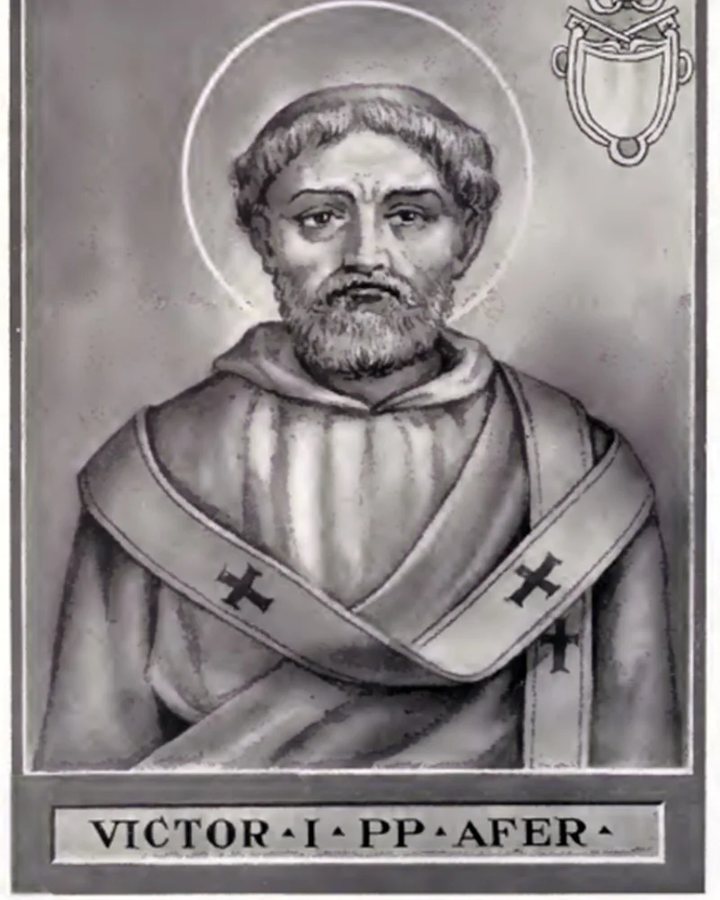 Victor ISaint · †199Victor I was a late second-century prelate of Berber origin from the Roman Province of Africa who served as the Bishop of Rome. While historical sources provide varying dates for his tenure, he is generally believed to have held the office between 189 and 199. He is primarily remembered for his strict stance regarding liturgical practices, specifically his decision to break communion with certain Eastern churches over differences in the calculation of Easter.
 AnterusSaint · †236Anterus was the bishop of Rome who served from late 235 until his death in early 236. Born in Petilia Policastro to a father named Romulus, he likely had Greek origins and may have been a former slave. He took office following the deportation of Pope Pontian to Sardinia. During his brief tenure, he appointed a bishop for the city of Fondi. While some historians suggest he was a martyr, others believe he died during the persecutions led by Emperor Maximinus the Thracian.
 PontianSaint · †235Pontian was the bishop of Rome from 230 to 235. A Roman citizen and son of Calpurnius, he led the Church during a period that transitioned from the tolerance of Emperor Severus Alexander to the harsh persecutions of Maximinus Thrax. Following his arrest, he was exiled to the island of Sardinia, where he eventually died. He is historically significant for being the first pope to resign his office, an act intended to facilitate a smooth leadership transition and resolve a long-standing schism.
 Stephen IHieromartyr · †257Hieromartyr, pope. Feast day: 2 August.
 EutychianSaint · †283Eutychian was the bishop of Rome who served from 275 until 283. Born in Luna, he led the church during a period when Christians still faced potential persecution. While historical accounts regarding the exact length of his leadership vary, he is recognized as a significant figure in the early papacy. He is honored as a saint within the Catholic, Orthodox, and Anglican traditions.
 IrenaeusHieromartyr · 130–202Irenaeus was a second-century Greek bishop who served in Lugdunum, the city known today as Lyon. Born in Smyrna, he was a student of Polycarp and played a vital role in shaping early Christian theology. He is most famous for his efforts to defend orthodox beliefs against various Gnostic interpretations of scripture. By emphasizing the importance of apostolic tradition and the four canonical gospels, he helped establish foundational theological frameworks that guided the growing Christian communities in Gaul and beyond.
 CorneliusSaint · 180–253Cornelius was the bishop of Rome from 251 to 253, serving during a turbulent era of Roman persecution. He led the church through a significant schism regarding how to reintegrate members who had performed pagan sacrifices to avoid death. While the Novatianists argued these individuals should be permanently excluded, Cornelius advocated for their readmission through penance. His leadership helped stabilize the Roman church, which at the time supported a vast community of clergy and those in need.
 Alexander IHieromartyr · 100–116Alexander I was a Roman bishop who served as Pope from approximately 107 to 116. Born in Rome, he led the early Church during the second century. While the exact dates of his reign are subject to historical debate, he is traditionally recognized as a hieromartyr who may have died for his faith under the rule of emperors such as Trajan or Hadrian. He is honored in the Catholic, Orthodox, and Anglican traditions.
 Sixtus ISaint · 42–126Sixtus I was a Roman bishop of Greek descent who served as Pope from approximately 117 or 119 until his death around 126 or 128. Succeeding Alexander I, he led the early Church during the Roman Empire. He is recognized as a saint in several Christian traditions, including the Catholic, Orthodox, and Anglican churches. His tenure, which lasted roughly ten years, was marked by the establishment of specific liturgical and administrative rules that helped organize the growing ecclesiastical structure of the time.
 Pius ISaint · 95–150Pius I was the bishop of Rome during the middle of the second century, serving as the ninth successor of Saint Peter. Born in Aquileia, he led the church in Rome during the reigns of emperors such as Antoninus Pius and Marcus Aurelius. His leadership was characterized by his efforts to maintain doctrinal unity, specifically through his opposition to various Gnostic groups like the Valentinians. He is recognized as a saint within the Catholic and Eastern Orthodox traditions.
 SoterSaint · †175Soter was the twelfth bishop of Rome, serving from approximately 167 until his death around 174 or 175. Born into a Greek family in Fondi, he was deeply connected to his heritage, which influenced his interactions with the Church in Corinth. During his leadership, he established the annual celebration of Easter in Rome and mandated that marriage be recognized as a sacrament requiring a priest's blessing. He is recognized as a saint in the Catholic, Orthodox, and Anglican traditions.
 Felix ISaint · †274Felix I was a Roman bishop who served as pope from 269 until his death in 274. A native of Rome, he succeeded Dionysius and is primarily remembered for his theological work regarding the unity of the person of Christ. During his leadership, he engaged in a significant dispute involving Paul of Samosata, a heretical bishop of Antioch. By seeking the assistance of Emperor Aurelian, Felix helped ensure that orthodox doctrine prevailed in the conflict. He is venerated as a saint in the Catholic, Anglican, and Orthodox traditions.
 CaiusSaint · †296Caius was the bishop of Rome from 283 until his death in 296. A native of Salona in Dalmatia, he is believed to have belonged to a noble family connected to Emperor Diocletian. During his leadership, he organized the Roman districts among deacons and established a mandatory progression of clerical orders for those seeking the episcopacy. While historical records regarding his life are limited, he is traditionally remembered for his role in the early Christian community in Rome and his association with the martyrs Susanna and Tiburtius.
 Clement of AlexandriaSaint · 150–215Clement of Alexandria was a Christian theologian and philosopher who lived during the late second and early third centuries. Born in Athens, he traveled extensively through Greece, Asia Minor, Palestine, and Egypt before settling in Alexandria. There, he taught at the Catechetical School, where he mentored notable figures such as Origen. A convert from a pagan background, he integrated classical Greek philosophy, particularly Stoicism and Platonism, into his Christian thought. His writings sought to harmonize Hellenistic intellectual traditions with the teachings of the faith.
 PolycarpHieromartyr · 69–155Polycarp was a second-century Christian bishop of Smyrna who is recognized as one of the primary Apostolic Fathers. Having been a disciple of the Apostle John, he served as a vital link between the original apostles and the early church. He is remembered for his steadfast faith, which led to his martyrdom when he refused to renounce his beliefs. He is venerated as a saint and Church Father in several traditions, including the Catholic, Eastern Orthodox, Anglican, and Oriental Orthodox churches.
 AnicetusSaint · 100–168Anicetus was a Syrian-born bishop of Rome who led the church from approximately 157 until his death in 168. Originally from Homs, he governed the early Roman Church during a period of significant theological development. He is primarily recognized for his efforts to combat Gnosticism and Marcionism, as well as his diplomatic handling of liturgical disagreements. His leadership helped establish the early importance of the Roman See through interactions with prominent contemporary figures.
 HyginusSaint · †142Hyginus was a Greek-born bishop of Rome who served as pope from roughly 138 until his death around 142. During his brief leadership, he is credited with organizing the ecclesiastical hierarchy and establishing the specific roles and prerogatives of the clergy. He also introduced the practice of appointing baptismal parents to support new Christians throughout their lives. Although some traditions suggest he died as a martyr, historical records do not confirm this, and he was ultimately buried on Vatican Hill near the tomb of Saint Peter.
 TelesphorusSaint · †130Telesphorus was a second-century bishop of Rome, traditionally recognized as the eighth successor to Saint Peter. Born in Thurii, Italy, to Greek parents, he is said to have lived as a hermit before his election to the papacy. His leadership occurred during the reigns of emperors Hadrian and Antoninus Pius. He is remembered for his efforts to combat Gnosticism and for his role in maintaining Sunday celebrations of Easter, even while remaining in communion with diverse Christian communities.
