 Jude the ApostleSaint · 10–62Jude the Apostle was a first-century missionary and one of the Twelve Apostles of Jesus. Born in Banias, he is frequently identified with Thaddeus or Lebbaeus to distinguish him from Judas Iscariot. While some traditions suggest he was the brother of Jesus, others identify him as the son of James or the author of the Epistle of Jude. He lived during the era of the early Christian movement and eventually died in Beirut.
 FrumentiusSaint · 310–380Frumentius was a 4th-century Phoenician missionary who served as the first bishop of Aksum. Born in Tyre, he and his brother were taken as slaves to the Kingdom of Aksum following a shipwreck. After gaining the trust of the royal court, he helped educate the young heir, Ezana, and utilized his position to introduce Christian teachings to the region. He eventually traveled to Alexandria to seek formal ecclesiastical support, leading to his consecration as bishop and the establishment of the Ethiopian Church.
 Charbel MakhlufSaint · 1828–1898Charbel Makhluf was a Maronite monk and priest born in Bekaa Kafra in 1828. After joining the Lebanese Maronite Order in 1851, he was ordained as a priest in Bkerke in 1859. He spent twenty-three years living as a hermit before his death from a stroke in Annaya on December 24, 1898. He is recognized as a saint within the Maronite Church and the Catholic tradition.
 Pamphilus of CaesareaSaint · 250–309Pamphilus of Caesarea was a prominent priest and biblical scholar who lived during the late third and early fourth centuries. Born into a wealthy family in Beirut, he studied in Alexandria under Pierius before moving to Caesarea Maritima. He is widely recognized for his scholarly dedication, serving as a mentor to Eusebius of Caesarea. During the Diocletianic persecution, he was imprisoned, where he continued his literary work. He eventually faced martyrdom in 309 when he refused to participate in pagan sacrifices.
 Eudokia of HeliopolisSaint · 100–107Eudokia of Heliopolis was a Samarian woman who lived in the early second century. After being introduced to Christianity by a monk named Germanus, she abandoned her wealthy lifestyle to pursue a religious life. Following a period of prayer and fasting, she was baptized by Bishop Theodotus and eventually joined a monastery near Heliopolis, which is known today as Baalbek. She dedicated her resources to charitable works and lived as a monk until her death in 107 AD.
 Marina the MonkSaint · 715–750Marina the Monk was a 5th-century Christian saint from Bithynia who lived in the Byzantine Empire. To pursue a life of monastic devotion, she disguised herself as a man named Marinos and lived within a monastery in the Kadisha Valley. She spent many years practicing asceticism, including fasting and intense prayer, while maintaining her secret identity. Her life is characterized by her profound commitment to her religious vocation and her willingness to endure hardship and false accusations to preserve her chosen way of life.
 Dorotheus of TyreHieromartyr · 255–362Dorotheus of Tyre was a 4th-century bishop and priest from Antioch who is recognized as a hieromartyr. Born around 255, he was a learned man and a eunuch who lived through significant religious shifts in the Roman Empire. He is traditionally credited with composing the Acts of the Seventy Apostles. After being exiled during the persecutions of Diocletian, he eventually returned to service and participated in the Council of Nicaea in 325.
 Rafqa Pietra Choboq Ar-RayesSaint · 1832–1914Rafqa Pietra Choboq Ar-Rayes was a Lebanese Maronite nun born in 1832 in Himlaya. After experiencing family difficulties and refusing marriage proposals, she entered religious life to follow her vocation. She eventually joined the Baladita Order, now known as the Lebanese Maronite Order, and lived a life of strict prayer and manual labor. Known for her profound suffering, she is honored as a patron of the sick and of parents who have lost children. She died in 1914 in Batroun, Lebanon.
 Nimattullah KassabSaint · 1808–1858Nimattullah Kassab, also known as Al-Hardini, was a 19th-century Lebanese Maronite monk, priest, and scholar. Born Youssef Kassab in 1808, he entered the Lebanese Maronite Order in 1828, receiving the monastic name Nimatullah. He served the church through teaching, administration, and monastic leadership, notably directing seminarians, including the future saint Charbel Makhlouf. Recognized for his deep spirituality and devotion, he lived a life of prayer and service until his death in Kfifane in 1858. He is venerated as a saint in the Catholic Church.
 John MaronSaint · 628–707John Maron was a 7th-century Syriac monk who served as the inaugural Maronite Patriarch. Born in Sirmaniyah around 628, he eventually declared himself the leader of the Maronite community, which adhered to the Council of Chalcedon. His leadership occurred during a period of significant political shifts, as the Maronite people sought greater independence while navigating tensions with the Byzantine Empire and eastern groups. Although some historians have questioned his historical existence, he remains a central figure in the Maronite tradition.
 Jakob von GhazirBlessed · 1875–1954Blessed, Catholic priest. Feast day: 26 June.
 Estephan El DouaihyVenerable · 1630–1704Estephan El Douaihy was a 17th-century Maronite Patriarch of Antioch and a significant Lebanese historian. Born in Ehden in 1630, he studied for fourteen years at the Maronite College in Rome before returning to Lebanon to serve as a priest and later as the bishop of Cyprus. Elected Patriarch in 1670, he led his church through periods of political tension under Ottoman rule. He is widely celebrated for his extensive historical research and his efforts to reform monastic life and promote education within the Maronite community.
 Leonard MelkiBlessed · 1881–1915Leonard Melki was a Capuchin priest born in Baabdat, Lebanon, in 1881. After joining the Order of Friars Minor Capuchin, he served as a teacher and preacher within the missions of Mesopotamia and Armenia. He eventually led a Capuchin school in Mardin, where he instructed students in music and French. His life ended in 1915 during the Armenian and Assyrian Genocides, when he was killed by Ottoman forces after refusing to convert to Islam.
 Tommas SalehBlessed · 1879–1917Tommas Saleh was a Lebanese Maronite priest belonging to the Order of Friars Minor Capuchin. Born in Baabdat in 1879, he dedicated his life to missionary work and preaching, often serving the poor in Mesopotamia. During the First World War, he faced intense persecution while serving in the Ottoman Empire. Following a period of imprisonment and mistreatment, he died in 1917 in the Kahramanmaraş Province. He is remembered for his steadfast refusal to renounce his Christian faith despite facing extreme hardships and pressure to convert.
 Elias Peter HoayekBlessed · 1843–1931Elias Peter Hoayek was a Maronite Catholic Patriarch of Antioch who served from 1899 until 1931. Born in Helta, he studied theology in Rome before returning to Lebanon to serve as a priest and teacher. Beyond his ecclesiastical duties, he emerged as a significant political figure, particularly during the transition from Ottoman rule to the French mandate. He is remembered for his efforts to establish Greater Lebanon and for his leadership during the Great Famine of Mount Lebanon. He is currently a blessed figure in the Catholic Church.
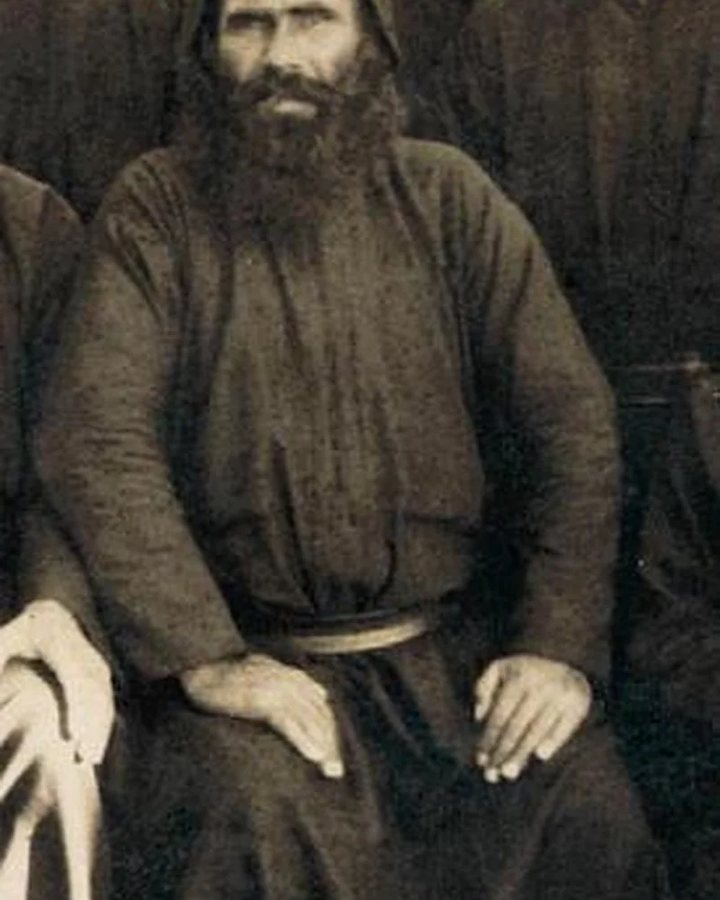 Stephen NehméBlessed · 1889–1938Stephen Nehmé was a Lebanese Maronite monk born in 1889 who lived a life of dedicated service and manual labor. A member of the Lebanese Maronite Order, he was recognized for his strong work ethic, performing tasks ranging from agricultural work to construction. He is particularly remembered for his deep devotion to the Mother of God and for his humanitarian efforts during World War I, when he provided food to those facing famine. He died in 1938 at the convent in Kfifan.
 AquilinaSaint · 281–293Aquilina was a young Christian martyr from the Phoenician city of Byblos who lived during the late third century. Raised in a pious household by her father, Eutolmius, she studied under Bishop Evthalios. At the age of twelve, she successfully encouraged a pagan companion to embrace the Christian faith. This act led to her arrest by the local governor, Volusian, who sought to punish her for rejecting traditional pagan worship in favor of her religious convictions.
- GGeorge Beseb'elyVenerable monastic · 1595–1670George Beseb'ely was a Maronite Catholic bishop who served as the 56th Patriarch of Antioch between 1657 and 1670. Born in the Lebanese village of Beseb'el around 1595, he initially served as an auxiliary bishop. Following the election of a monk who declined the position, Beseb'ely was chosen to lead the church. His leadership was marked by efforts to secure papal recognition and by fostering strong diplomatic ties with the Kingdom of France, which provided protection to the Maronite people.
- VVulpian of TyreSaint · 250–304Vulpian of Tyre was a young Christian martyr who lived in the Levant during the late third and early fourth centuries. According to historical accounts, he was part of the group of Christians persecuted in Palestine under the rule of Diocletian and Galerius. After demonstrating his faith before the governor Urbanus, he suffered severe physical torture, including scourging and the use of a rack. He is remembered for his steadfastness in the face of these brutal punishments.
- GGilles von SaumurBlessed · †1266Gilles von Saumur was a 13th-century Angevin cleric who served as the archbishop of Tyre from 1253 until his death in 1266. A prominent figure within the Catholic Church, he held the position of the first archbishop of Damietta and played a significant role in the administration of the church in Jerusalem. During his career, he participated in the Seventh Crusade and acted as a vital mediator within the Kingdom of Jerusalem, while also using his influence to preach for the launch of new crusading efforts.
- RRomano BottegalVenerable monastic · 1921–1978Romano Bottegal was an Italian Cistercian priest and hermit who lived from 1921 to 1978. Born in Lamon, he pursued theological studies in Belluno and Rome before joining the Trappist order in 1946. Although he initially served as a novice master, he eventually sought a more solitary existence. After a failed attempt to establish a new monastic project in Lebanon, he was permitted to live as a hermit in the region. He spent his final years in seclusion, living a life of intense religious devotion until his death in Beirut.
- JJoseph of Damascus1793–1860Joseph of Damascus was a 19th-century Orthodox priest and educator born in Beirut. After his ordination in 1817, he moved to Damascus, where he served as the director of the Patriarchal School from 1836 until his death. Under his guidance, this institution emerged as a premier center for higher Orthodox learning within the Middle East. He is remembered for his significant influence on the clergy of the region and his ultimate death during the 1860 Damascus massacre.
- DDemetrius the NeomartyrDemetrius the Neomartyr was an Orthodox Christian saint born in the Messinia region during the late 18th century. After facing difficulties within his family, he moved to Tripoli to work as a builder's apprentice. Although he had previously converted to Islam, he later repented of this decision. Seeking to atone for his past, he returned to Tripoli to publicly declare his return to the Christian faith, an act that ultimately led to his death in 1803.
- LLeontius of TripoliSaint · †99Leontius of Tripoli was a Roman soldier and Christian martyr who lived during the first century. Serving as a commander in the Phoenician region, he was known for his piety and for sharing his faith with fellow soldiers. His refusal to renounce Christianity led to his arrest by the Roman authorities during the persecutions under the reign of Vespasian. After enduring various tortures, he died for his convictions in Tripoli, a city located in the Roman Empire.
- GGelasiy GeliopolskiySaintGelasiy Geliopolskiy, also known as Gelasin or Gelasiy the Mime, was an early Christian martyr who lived in Heliopolis, the ancient city known today as Baalbek. During the reigns of emperors Maximinus Daia and Licinius, he worked as a mime, an actor typically performing minor or comedic roles. While attempting to mock Christian rituals during a period of persecution, he unexpectedly experienced a profound spiritual transformation that led him to declare his true faith in Christ.
- TTheodorusTheodorus of Tyre was a 4th-century Christian bishop who led the city of Tyre in present-day Lebanon. His leadership spanned the eras of emperors Licinius and Constantine the Great. During the reign of Julian the Apostate, he faced significant hardships due to his steadfast commitment to the Christian faith. Having lived a long life, he passed away at the age of 107.
- ZZenobius of SidonSaint · †310Zenobius of Sidon was a priest and physician living in Sidon, Phoenicia, during the early fourth century. According to the historian Eusebius of Caesarea, he was martyred in Antioch around 310. He is recognized as one of the Phoenician martyrs, having died for his Christian faith alongside several other clergy members, including the Bishop of Tyre and various Egyptian bishops.
- AAkiliny FinikiyskoySaint · †293Akiliny Finikiyskoy was a Christian martyr from Phoenicia who died in 293. As a saint recognized within the Orthodox tradition, she is honored for her faith during the late third century. Her memory is preserved through liturgical commemorations, marking her as a significant figure in the history of early Christian martyrdom.
- MMartyrdom of St. Leontius of Tripoli (Lawendius)SaintLeontius of Tripoli, also known as Lawendius, was an oriental saint recognized for his martyrdom. While specific biographical details regarding his early life or origins remain scarce, he is primarily remembered for the sacrifice he made for his faith. His legacy is preserved through liturgical traditions that honor his steadfastness during his death.
- KKvatra (Kuarta), BeyrutskogoSaintKvatra (Kuarta), Beyrutskogo was an Orthodox saint who served as the bishop of Beirut. While his specific historical period and personal biography remain largely undocumented, he is recognized within the Christian tradition for his ecclesiastical leadership. He is commemorated as a holy figure in the Orthodox Church, specifically celebrated on November 10 and November 23.
